Sketch What You Think, Remember What You Learn

Welcome to an energetic exploration of visual note-making with sketchnotes and doodles, where quick lines, playful icons, and mindful structure transform ideas into memorable maps. We will turn complex talks into clear pages, practice tiny drawings that carry big meaning, and build confidence through simple, repeatable habits you can start using today.

Pictures Beat Forgetting

Images stick because the brain encodes them richly, pairing shape, space, and emotion with language. This layered encoding builds more hooks for recall when you need them most. Even rough sketches outperform dense text lists, guiding attention toward relationships, cause and effect, and turning vague impressions into tangible anchors you can revisit confidently.

Dual Coding in Action

Combine concise keywords with icons, arrows, and containers to engage verbal and visual processing together. This dual pathway makes essential points easier to retrieve, especially under pressure. By aligning a short phrase with a distinctive image, you compress meaning, reduce cognitive load, and build a compact mental index that accelerates problem solving and explanation.

Analog Comfort Kit

Pick a smooth notebook, a reliable fineliner for crisp outlines, and a soft brush pen for headers and emphasis. Add a light gray marker for shadows and a small set of high-contrast colors. With a few elastic bands and sticky notes, you will create a portable studio that invites quick captures anywhere without fear of smudges or clutter.

Digital Flow Setup

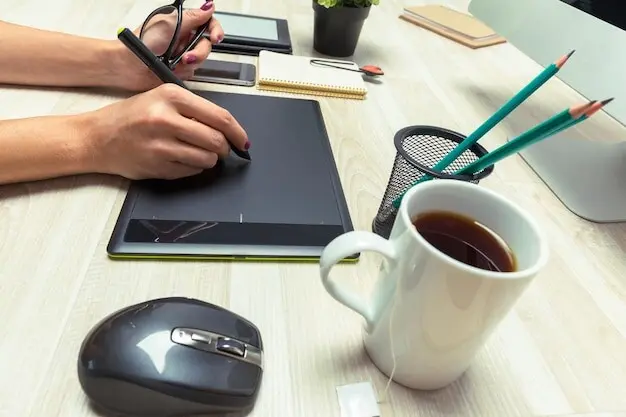
On tablet, establish a template with layers for structure, text, and color so edits feel fearless. Favor a pressure-sensitive pen, simple brush set, and a restrained palette. Use gestures to zoom, lasso to rearrange, and export presets to share quickly. The smoother your pipeline, the more often you will sketch live and polish later.

Portable Everyday Carry

Carry one pocket notebook, two pens with distinct stroke weights, and a tiny highlighter. Keep them in a dedicated pouch so your hands know exactly where to reach. When inspiration hits during commute lines or hallway chats, your kit removes excuses, helping small sketches accumulate into a powerful library of personal learning artifacts.

Shapes That Speak

Use rectangles for facts, circles for ideas, and hexagons for decisions. Stretch containers to create priority panels and stack them to show layers. Arrows indicate flow, while dotted lines signal possibilities. With consistent meaning assigned to each element, your page becomes a legend-guided map where readers intuit structure before reading a single word.

People, Objects, and Icons

Draw simple stick figures with expressive shoulders and hands to show emotion and action. Pair them with quick objects like lightbulbs, clocks, and gears to signal insight, time, and process. Repeat familiar icons for repeated concepts, so pattern recognition helps the audience follow along without demanding artistic perfection or exhausting detail during rapid sessions.

Layouts That Tell a Clear Story

Great pages guide the eye from start to finish without confusion. Choose a structure that matches the content: columns for comparisons, paths for sequences, clusters for themes, and radial spreads for systems. With hierarchy, whitespace, and rhythm, your sketchnotes become navigable landscapes where meaning appears at a glance and details unfold naturally.

Listening, Thinking, and Drawing in Real Time

Live capture feels exhilarating and intimidating until you break it into steps. You will practice quick triage, ruthless summarizing, and decisive visual choices. With prebuilt letterforms, a tiny icon set, and flexible containers, you will keep pace with speakers, reduce anxiety, and produce legible notes that spark follow-up questions and stronger group decisions.

Grow Daily: Habits, Challenges, and Community

Consistency turns curiosity into mastery. Build tiny routines, track experiments, and share outcomes openly. Friendly challenges, supportive communities, and simple feedback loops transform rough pages into confident visual narratives. Invite peers, collect examples, and iterate publicly. You will learn faster together while inspiring newcomers who do not yet believe their drawings can teach.
Vexozeradavo
Privacy Overview

This website uses cookies so that we can provide you with the best user experience possible. Cookie information is stored in your browser and performs functions such as recognising you when you return to our website and helping our team to understand which sections of the website you find most interesting and useful.